


A friend asked me the other day, “So what’s the deal with hardcover and paperback books? Is it seriously just one has a stiff cover and the other’s floppy?”
I paused for a second because yeah, on the surface it sounds simple — but there’s actually a lot more going on under the hood. You’ve probably stood in a bookstore, picked up the same title in both versions, felt how the hardcover weighs a ton more and costs way more, while the paperback feels light and cheap. But what exactly are you paying for?
Let’s break it all down in plain English. Whether you’re an author thinking about printing your own book or you’re just curious why one costs so much more, this should clear things up so you don’t end up regretting your choice.

The most obvious difference: the cover (but it’s deeper than “hard vs soft”)
Yes, the cover is the first thing you notice. But that “hard” or “soft” feeling comes from totally different construction.
A hardcover (also called hardback) has a rigid cover usually made from thick gray board or high-density paperboard. That board gets wrapped in cloth, leather, or fancy specialty paper. The cover is basically a separate “case” or shell that gets attached to the book block at the end. It feels substantial — like a proper, serious book you’d want to keep forever.
A paperback has a flexible cover made from thicker cardstock or coated paper, usually with a laminate or film on top. The cover and the inside pages are basically one unit — the cover just wraps around the pages like a skin. It’s light, bendy, and easy to toss in your bag.
Because of all that extra material and steps, hardcovers cost a lot more to make right from the cover stage.
Binding: one is sewn, the other is glued
Here’s something a lot of people don’t realize — the way the pages are actually held together is completely different.
Hardcovers are usually sewn (also called Smyth-sewn or thread-sewn). They take signatures (folded groups of pages), sew them together with thread like you’d sew fabric, and then attach the case.
The result? The book opens flat — sometimes a full 180 degrees — which is amazing for big photos or double-page spreads. It’s super durable. Pages don’t fall out easily, and the spine holds up for decades.
Paperbacks are almost always perfect bound (glued). The pages get trimmed, glue is applied along the spine, and the cover gets stuck on. It’s fast and cheap for mass production, but over time the glue can dry out and crack, especially if you open the book a lot. It doesn’t lay as flat, and there’s often that annoying gutter in the middle.
(Some very thin paperbacks use saddle-stitching with staples, like magazines, but that’s rare for real books.)
Inside pages: not as different as you might think
A lot of folks assume hardcovers always use nicer paper. Not necessarily. The real premium on a hardcover comes from the cover and binding, not always the paper inside.
Publishers can put high-quality paper in either format. That said, because hardcovers are so sturdy, they can handle thicker or heavier paper without issues. Paperbacks have more limits — too-thick paper and the glue binding can fail pretty quickly.
Why does the price difference feel so big?
It’s common for a hardcover to cost $20–$50+ more than the paperback version. That gap comes from:
- Much more expensive cover materials and wrapping
- Extra steps like sewing, casing-in, and often foil stamping or embossing
- Heavier weight (which drives up shipping and storage costs)
Hardcovers involve more handwork and slower production, while paperbacks are built for speed on machines.
There’s also the “vibe” factor (and it matters more than you think)
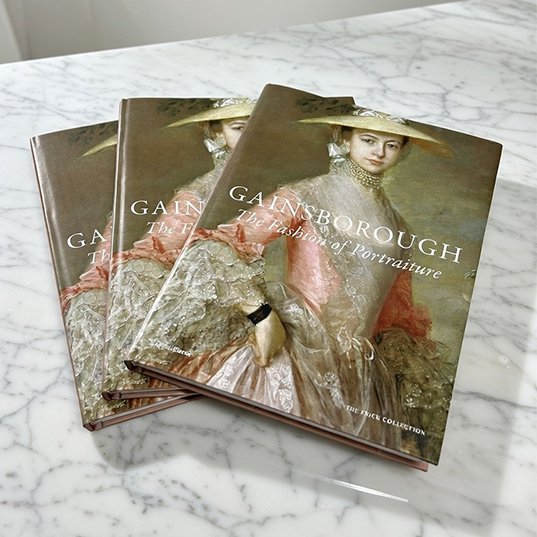
This part is a bit subjective, but it’s real. A hardcover just feels like something worth collecting or gifting. It has presence on a shelf. If you’re an author, sending someone a nice hardcover version of your book makes a stronger impression than a paperback.
I know a writer who released a paperback first and it sold okay. Then they did a limited hardcover edition at nearly double the price — and it sold out faster because people loved the idea of owning a “real” keepsake version.
On the flip side, hardcovers are heavy. Try throwing two in your carry-on for a trip and you’ll feel it. Paperbacks win for everyday reading, commuting, or beach reads.
Common mistakes to avoid
- Thinking hardcover is always “better” — If your book is a fast-read novel or something people will flip through casually, paperback is often the smarter (and kinder) choice.
- Trying a tiny run in hardcover — Hardcovers usually have higher minimum order quantities because of the sewing and casing process. Small batches get expensive fast.
- Putting super thick paper in a paperback — It might feel premium at first, but the binding can crack after a few reads.
Bottom line
At the end of the day, the difference between hardcover and paperback isn’t really about “good vs bad.” It’s about purpose.
Hardcover = prestige, durability, collectibility, and gifting. It’s built to last and look impressive. Paperback = convenience, affordability, and portability. It’s made for actual reading.
There’s no universal winner — only what fits your book and your readers best.