


Before you customize your next children’s board book, read this first
I’ve been in the printing business for over fifteen years, and the saddest thing I ever hear isn’t “your price is too high.” It’s a mom emailing me: “My kid started coughing after reading the new book for two days. It smells really strong.”
She thought that chemical smell was normal. I knew better. That wasn’t just “new book smell” — it was cheap ink and glue releasing harmful stuff. And that’s exactly why I’m sharing these seven real-world pitfalls today.
These mistakes don’t always get loud complaints. Customers just quietly stop ordering from you. If you print children’s board books in China, you need to watch out for them.
1. Only Asking About Price, Not About the Ink
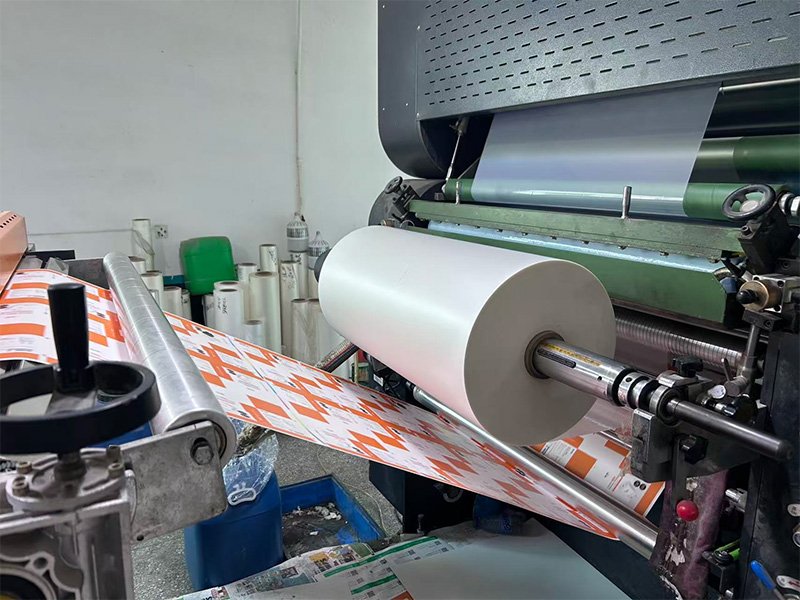
Lots of inquiries start with “What’s the lowest price for 1,000 hardcover children’s books?” Fair question. But if you don’t ask what ink they plan to use, you might be trading a kid’s safety for a cheaper quote.
Standard mineral oil-based inks often contain aromatic hydrocarbons. Adults call it “ink smell.” Kids who chew or lick the pages get direct exposure. Over time, that’s not great for little lungs or developing systems.
Fix it: Always ask for soy-based ink or water-based ink. Soy ink cuts VOCs by more than 30% compared to petroleum inks, and the colors look softer and more natural — perfect for big colorful spreads in kids’ books. Water-based ink is even safer for bath books and very young readers. Good ink should smell like paper, not gasoline.
2. Choosing Paper That’s Too Bright White
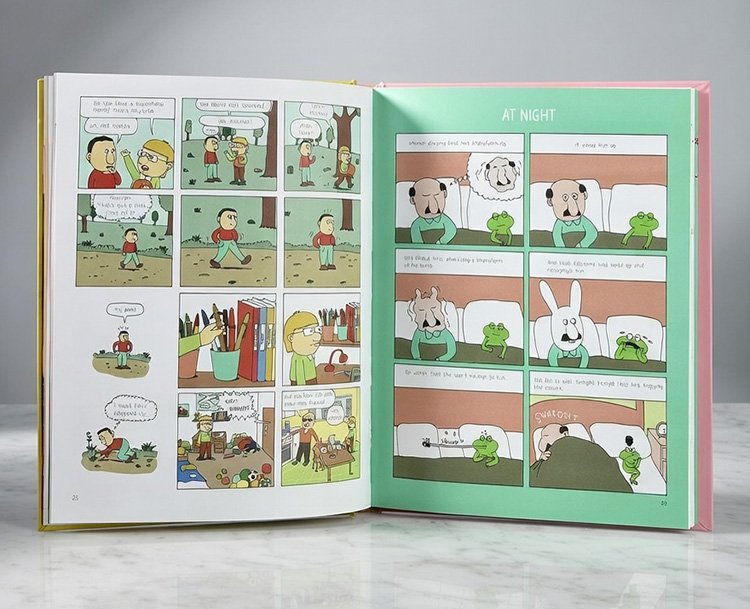
Some clients want super-white paper because it looks “clean and premium.” But that bright white usually comes from fluorescent brighteners.
Those agents can irritate eyes during long reading sessions, and young kids often put books in their mouths. You don’t want those chemicals migrating.
Fix it: Go for natural or off-white offset paper that feels warm, like wheat straw or soft skin. Aim for 120–157gsm — thick enough to prevent show-through but light enough for small hands to turn pages easily. Always request a “no optical brightener” test report. It’s not extra — it’s basic safety for children’s board book printing.
3. Sharp Square Corners to Save a Few Cents
True story: A client skipped rounded corners on 3,000 board books to save about 30 cents per copy. First shipment arrived, and a mom sent a photo of her child’s finger with a nasty cut from the edge.
That client never came back. Not because of price — because of the safety scare.
Fix it: For any board book aimed at kids under 3, round the corners. A 3–5mm radius is standard. If full rounding is too expensive, at least do the front and back covers. Rounded corners aren’t about looks — they prevent real injuries when kids grab and play with the book.
4. Using Standard Hot-Melt Glue That Gets Brittle in Cold
Regular hot-melt glue has one big weakness: it softens in heat and turns brittle in cold. Leave books in a warehouse through a cold winter, and the spine cracks. Pages fall out. Loose paper bits become a choking hazard for little ones.
Fix it: Insist on PUR glue (polyurethane reactive hot-melt). It stays flexible from -20°F to 140°F. A good test? A three-year-old should be able to bend the book dozens of times without pages coming loose. PUR passes that test. Cheap glue usually doesn’t.
5. The Proof Looks Great, But the Bulk Run Doesn’t Match
This one happens all the time. The digital proof looks vibrant. Then the big run comes off the press, and reds look muddy, skin tones go gray, and text gets fuzzy. Different machines, different results.
Fix it: Always ask for a “press proof” — printed on the actual production press with the real paper stock. Set a clear color tolerance (ΔE under 3 is a common industry standard). Take that signed proof with you and tell the factory: “Match this exactly.” It costs a little extra time but saves entire orders from rejection.
6. Weak Packaging for Ocean Shipping
Children’s board books heading to the US or Europe often travel in containers that swing from 100°F+ during the day to much cooler at night, with wild humidity changes. A single thin plastic bag tears easily. Books arrive warped, moldy, or stuck together.
Fix it: Use moisture-proof film, strong five-layer corrugated cartons, corner protectors, and full stretch wrap on every pallet. For premium books, add individual shrink-wrapping and desiccant packs inside the boxes. Great packaging means your customer opens the shipment and finds crisp, fresh books — no musty smell.
7. Missing FSC Certification When Selling to Europe
Big publishers and retailers in Germany, France, and the UK now treat FSC certification as a must-have. FSC proves your paper comes from responsibly managed forests, not illegal logging.
No certification? Your low quote won’t even get a second look. You’re not just losing an order — you’re signaling you don’t care about sustainability or their market standards.
Fix it: Highlight your FSC chain-of-custody certification on quotes and your website. If you don’t have it yet, ask the client if they need it and source certified paper accordingly. For many buyers, half the value of a children’s book is the story — the other half is the values behind it.
One Last Thought Cheap children’s board books are just products. Safe, well-made ones feel like keepsakes.
Parents and publishers won’t remember you for the lowest price, but they will keep coming back when they know the books are truly safe for kids.
If you’re planning your next children’s board book printing project in China and want to dodge these seven pitfalls, send me your files. I’ll prepare a no-surprises quote that puts safety and quality first.