


Let me be honest with you right up front: most authors and publishers pay for stuff they don’t actually need.
I once saw an indie author get quotes for his 500-page hardcover novel that ranged from $3,800 to $7,200. That’s almost double! He wasn’t getting ripped off — he just didn’t know which extras were worth it and which ones were pure waste.
After years in the printing business, I can tell you this: you can realistically cut at least 30% off the cost of a 500-page hardcover novel without hurting quality one bit. Here are the six smartest “cuts” I’ve used to help clients save real money.
Don’t Let “Deluxe Hardcover” Eat Your Profits
Hardcover doesn’t have to mean luxury
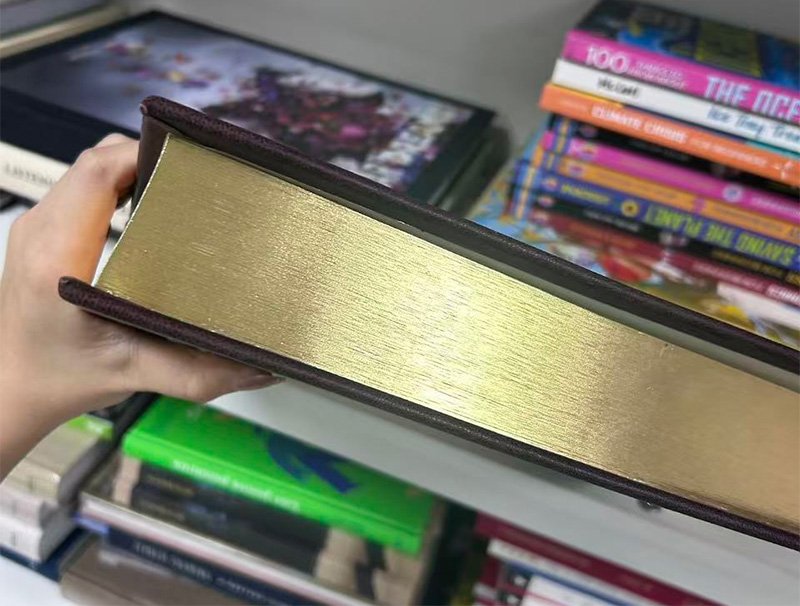
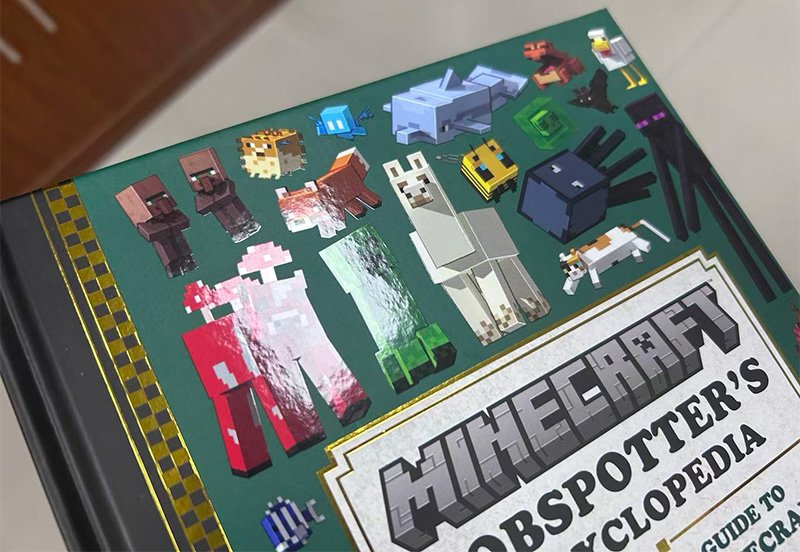
When people hear “hardcover novel,” they picture cloth covers, foil stamping, embossing, and belly bands — the full fancy package. Then the quote comes in and they feel sick.
Here’s the tough question: Do your readers really care if the cover is cloth or just a nice coated paper jacket?
Let’s do the math on 1,000 copies of a 500-page book:
- Standard hardcover (sturdy case + 157gsm coated jacket with matte lamination): about $2.50–$3.00 per copy
- Full luxury version (cloth, foil, embossing): $4.50–$6.00+ per copy
That difference adds up fast — easily $2,000 or more on a small run.
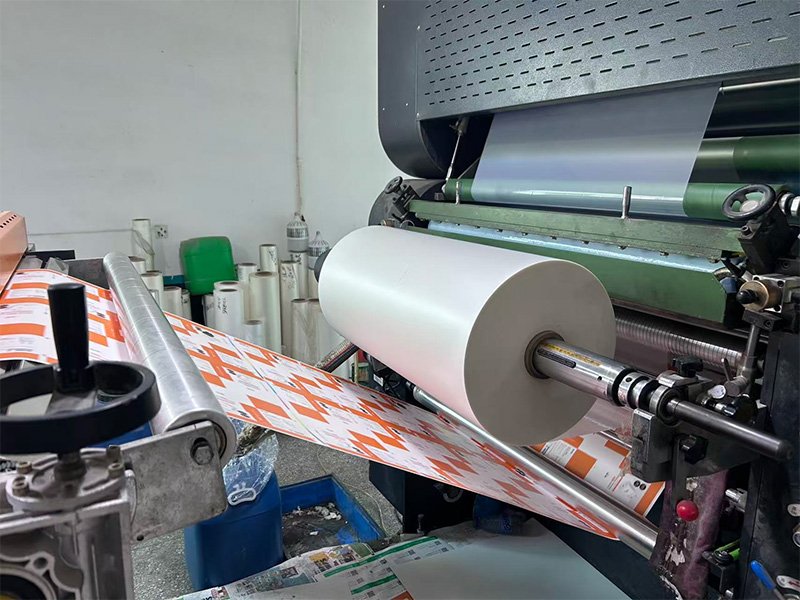
Smart move: Unless you’re doing a collector’s edition or art book, go with a standard hardcover and a good 157gsm coated paper jacket with matte lamination. It feels premium and looks sharp, but costs way less. The money you save can easily cover printing another 400–500 paperbacks to help you market the book.
Paper Weight: Thicker Isn’t Always Better
Thick doesn’t equal good
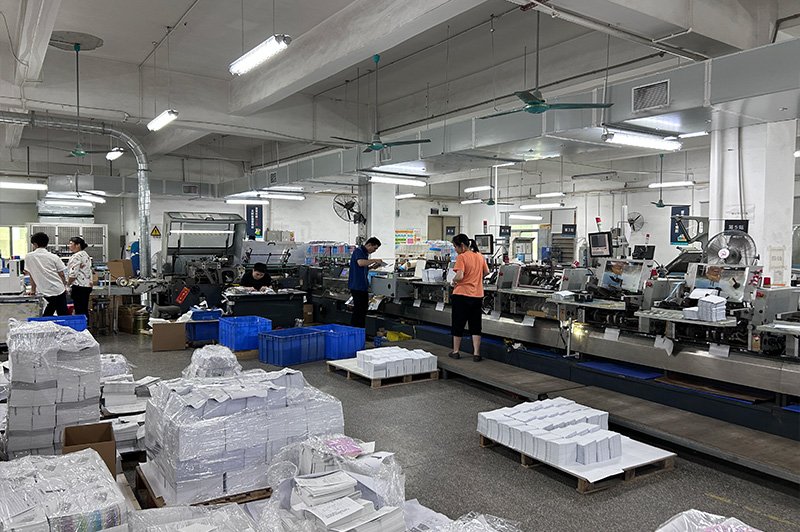
A 500-page book is already thick. Pile on heavy 100gsm or 120gsm paper and the spine can crack in the middle after a few reads.
Many folks believe heavier paper equals higher quality. But for long novels, 70gsm or 80gsm lightweight paper is often the smarter choice.
Why?
- Lightweight paper has great bulk, so 70gsm can actually feel thicker than regular 80gsm offset while weighing less.
- The book stays comfortable to hold — no wrist workout.
- It usually costs 15–20% less than the same weight in standard offset paper.
Next time you ask for a quote, simply say: “Can we use 70gsm or 80gsm lightweight paper?” You’ll often see a nice drop in price, and the book will actually handle better.
Binding: Don’t Get Locked Into Sewn Binding Perfect binding can hold its own
Printers love to recommend sewn (smyth-sewn) binding for thick books because it lays flat and feels very premium — and yes, it costs more.
But ask yourself: How will most readers use your novel? They’ll probably read it straight through once and then shelve it. Do you really need it to open like a dictionary?
Standard PUR perfect binding is strong, flexible, and far more affordable. The cost difference can be $0.40–$0.70 per book. On 1,000 copies, that’s real money back in your pocket.
Quick test: If your book isn’t a reference title that gets opened and closed hundreds of times, PUR binding gives you the best balance of durability and cost.
Ink: Black & White Interior Is Usually Enough Color pages aren’t a bonus — they’re an expense
A few color inserts can look nice, but they force the whole production to switch plates, ink, and sometimes even paper. That raises the cost of every single page, not just the color ones.
Unless you’re creating a picture book, photo book, or illustrated gift edition, stick with black-and-white interiors. Keep color on the cover and title page where it really counts.
You’ll save enough to invest in a stronger, more eye-catching cover design — the part that actually makes readers stop and buy.
Print Quantity: More Isn’t Always Cheaper 1,000 vs 2,000 — how much do you really save?
There’s a “sweet spot” in printing. After a certain quantity, the per-book savings get smaller and smaller while your inventory risk grows.
Example:
- 500 copies: higher unit price
- 1,000 copies: solid drop in price
- 2,000 copies: only a small additional saving per book, but now you’re sitting on twice the stock and twice the cash tied up.
Better approach: Print what you’re confident you can sell or promote in the first wave. Use the extra cash for marketing, ads, or reviewer copies instead of warehouse space.
Shipping: Handle It Yourself and Save Your printer isn’t a shipping expert
Printers often bundle shipping into the quote with a single round number. It looks okay at first glance, but you can usually beat it by 20–30% if you arrange transport yourself.
They make a little markup on the logistics because most customers don’t shop around.
Simple fix: Ask for a “naked price” (printing only) and handle shipping on your end. Compare rates on freight sites or with local forwarders. On 1,000 books you can easily save $500–$1,000 or more.
Bottom Line: The Money You Save Fuels Your Next Book
Here’s a real before-and-after example I’ve run for clients:
- Original quote: luxury hardcover + heavy paper + sewn binding + color inserts + 2,000 copies + factory shipping ≈ $42,000
- Smart version: standard hardcover + 70–80gsm lightweight paper + PUR binding + black & white interior + 1,000 copies + self-arranged shipping ≈ $29,000
That’s over 30% saved — more than $13,000 back in your pocket.
Now you can use that money to:
- Hire a pro for a killer new cover
- Run targeted ads
- Send review copies to influencers
- Or simply bank it as seed money for your next title
Saving money on 500 page hardcover novel printing isn’t about cutting corners — it’s about spending smarter so you can keep writing and publishing.
If you’re getting ready to print your novel and want a clear, no-surprise quote that actually saves you money, send over your specs. I’ll walk you through the best options for your budget and goals.