



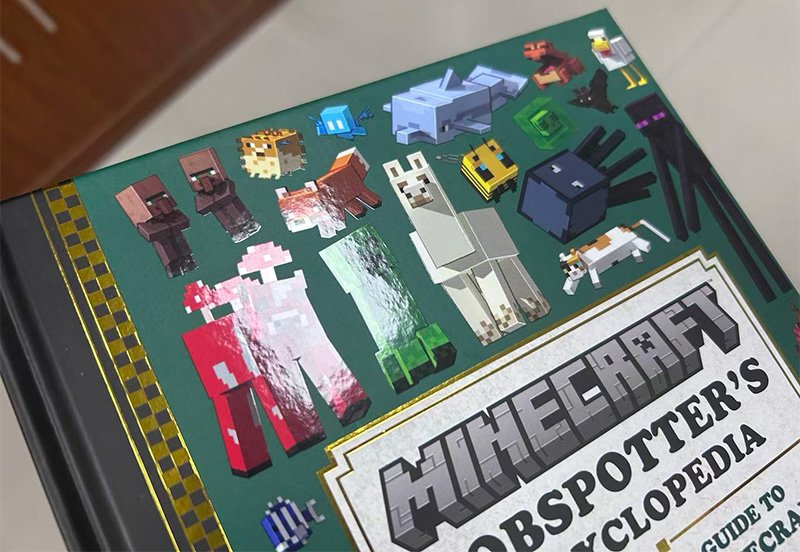
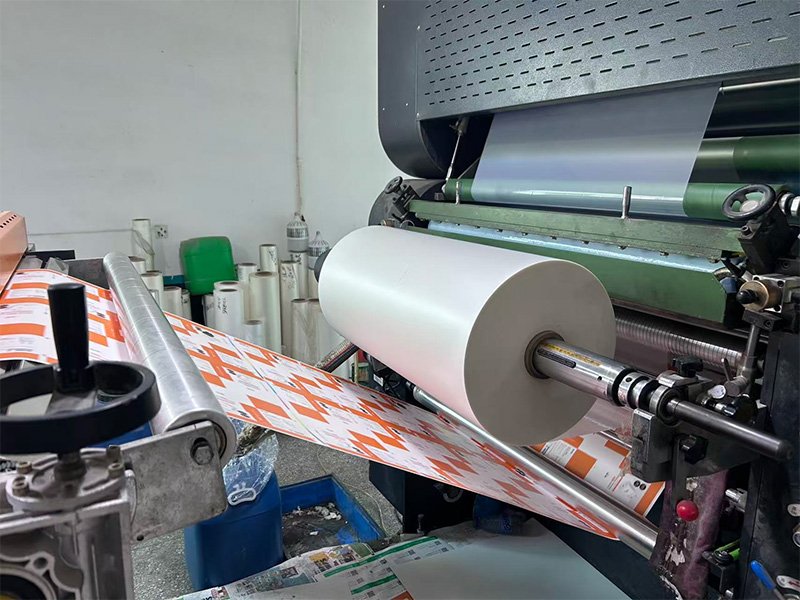
Let me start with a true story. Last year, an American author wrote a 300-page novel. He got quotes from three local US printers. The cheapest one came in at $8.70 per copy for a hardcover run of 1,000 books. He thought it felt expensive but couldn’t quite figure out why.
He sent the files to me. Using the exact same specs — paper, binding, everything — I ran the numbers for production in China with delivery to the Port of Los Angeles. The landed cost worked out to about $4.20 per book.
That’s a $4.50 difference per copy. On 1,000 books, it adds up to $4,500. Enough for a nice business-class ticket to New York… with money left for a good meal.
But it’s not that simple. China is cheaper, sure. The real question is: where does the savings come from, and where does the US cost hide? If you only stare at the bottom line, you might miss what actually matters for your project. So let’s break down a typical quote, item by item.
Labor: The Biggest Gap
This is where the difference hits hardest. In the US, a skilled bindery worker earns roughly $18–$25 per hour. In China, a seasoned bindery worker makes about $800–$1,200 per month. One hour of US labor pays for nearly a full day in China.
On a 500-page hardcover, US binding labor might run $2.50–$3.50 per book. The same work in China? Often $0.60–$0.90. That’s three to four times cheaper.
But here’s the nuance: the labor savings shine brightest on handwork — foil stamping, embossing, hand-tipping pages, or complex die-cuts. China has plenty of skilled workers at reasonable rates, so those steps become affordable. For straight machine-run jobs like simple paperbacks, the gap shrinks to 20–30%. Still worth considering, but not always a 50% miracle.
Paper: Sometimes America Wins
A lot of people assume everything is cheaper in China, including paper. Not always true. Thanks to abundant forests and efficient domestic logistics, certain standard papers (like offset or lightweight) can actually cost less when bought in the US.
Real numbers I’ve seen: 70gsm offset paper runs $850–$1,000 per ton in the US. In China, similar stock plus shipping can land around $750–$900 per ton. Sometimes the US even undercuts China slightly.
China’s real advantage? Variety and flexibility. Need an odd size, special finish, or small batch? Chinese suppliers usually find it faster and cheaper. US mills excel at big runs of standard grades.
Smart option: If you have good US paper sources, consider buying paper here and shipping it to China for printing (then back). You get cheap American paper plus low Chinese labor. It adds coordination, so it suits experienced buyers with larger runs. For first-timers, let the Chinese factory handle everything — it’s simpler.
Equipment & Flexibility: Speed vs Versatility
Big US plants run highly automated lines. For identical long runs of 10,000+ copies, they can turn jobs around in 3–5 days. Impressive.
Most authors and small publishers don’t order that way. You might need 1,000 hardcovers, 2,000 paperbacks, and 500 special editions — all different. US plants hate “mixed” jobs because changeovers kill efficiency, so they charge more (often 30–50% premium).
Chinese factories handle variety every day. They switch between novels, art books, and board books without huge cost spikes. The price difference between simple and complex jobs stays smaller — usually just 10–20%.
Bottom line: For one big, simple reprint? US speed and short shipping win. For varied, smaller, or fancy orders? China’s flexibility usually offers better value.
Shipping & Duties: The Hidden Cost Many Forget
Here’s the part that bites first-timers. You see a low FOB price from China and get excited. Then the ocean freight, clearing, and inland trucking hit.
A 40-foot container from Guangzhou to Los Angeles normally runs $2,000–$4,000 in calm times. For 1,000 hardcovers (about half a container), you might add $1,300–$2,500 total in logistics. That works out to $1.30–$2.50 extra per book.
Books themselves usually face low or zero tariffs as “informational materials,” though a small Section 301 duty can apply in some cases. Always factor in full landed cost.
Rule of thumb: Add about 30% to the Chinese factory’s FOB quote to estimate door-to-door cost in the US. Even after that, China often lands 15–25% cheaper overall for the right projects.
Communication & Proofing: The Non-Number Cost
This one doesn’t show up on the invoice, but it matters. Time zones mean your 3 p.m. email in New York hits China at 3 a.m. Replies bounce back and forth over days. Proofing takes longer too — US proofs can arrive in a couple days; China might need 5–7 days by express, plus any customs delays.
Good Chinese partners fix this by assigning English-speaking reps who work your hours, sending digital proofs first, and using fast couriers like DHL or FedEx for physical samples.
My advice:
If you only print one or two books a year, the hassle might not be worth the savings. But if you publish regularly, the money saved more than covers the extra coordination. Start small — try 200–500 copies first. Test communication, proof quality, and production standards before scaling up.
Quick Decision Guide
| Your Situation | Better Choice | Why |
|---|---|---|
| Under 500 copies, need it in 2 weeks | US printing | Time and air freight make China impractical |
| 3,000+ copies, simple job, no rush | Either — compare total | US automation shines at scale |
| Complex work (foil, embossing, die-cuts) | China | Labor and skill make it far cheaper |
| 1,000–3,000 copies, mixed specs | China | Best price-to-flexibility ratio |
| First time with a Chinese factory | Start small (200–500) | Test the whole process before going big |
One Final Thought
China wins on labor and flexibility. The US wins on convenience and speed. There’s no universal “better” — only what fits your book, timeline, and budget.
If you’re still deciding, send me your specs. I’ll run both a China quote and a US comparison so you can see the real side-by-side numbers. No pressure, just clear facts to help you make the smartest call.