


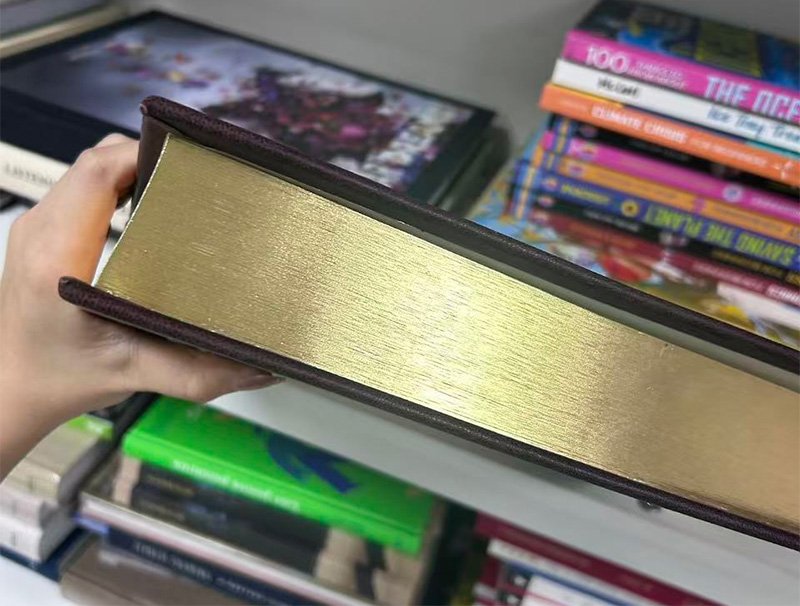
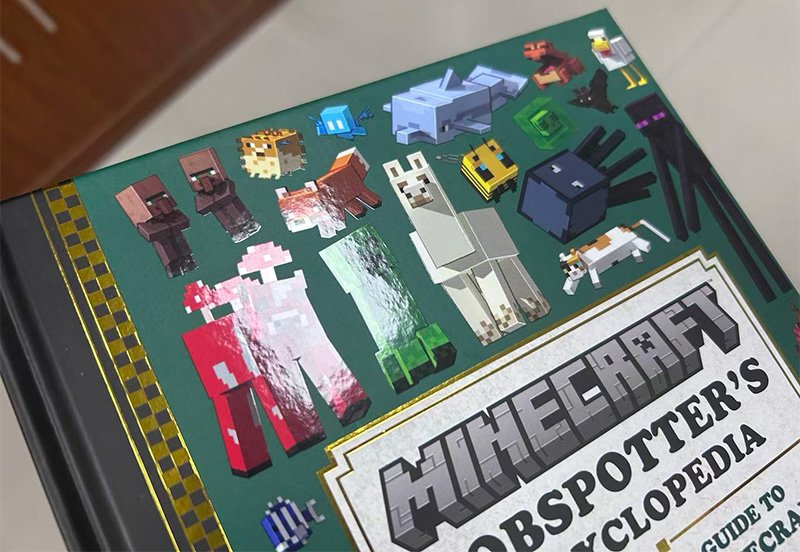
In the world of book printing, the little details really make the difference. Sure, paper weight and inside layout matter. But when someone picks up your book, the cover’s touch and look often create that very first impression.
The process behind that impression? Lamination.
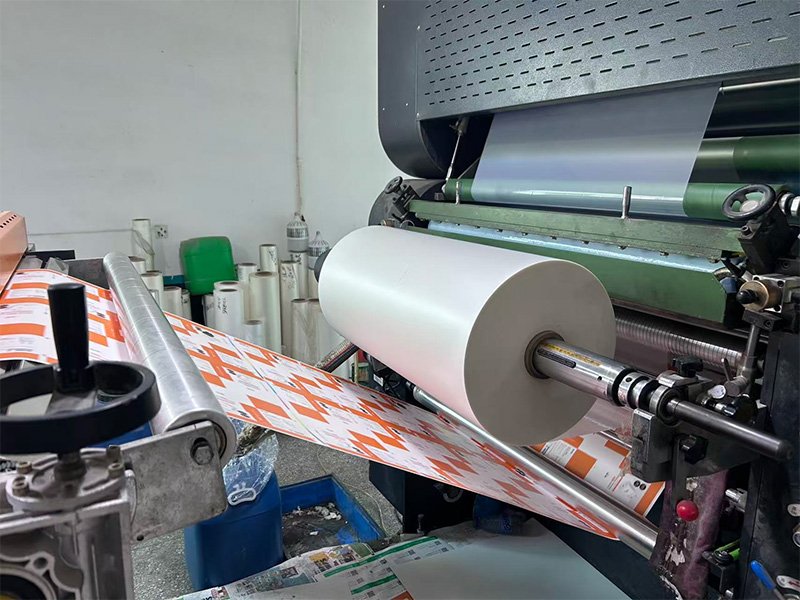
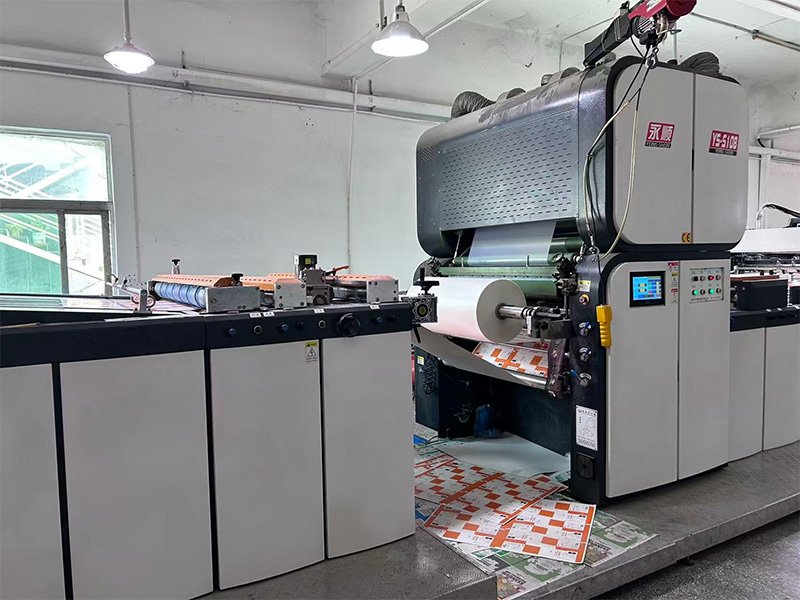
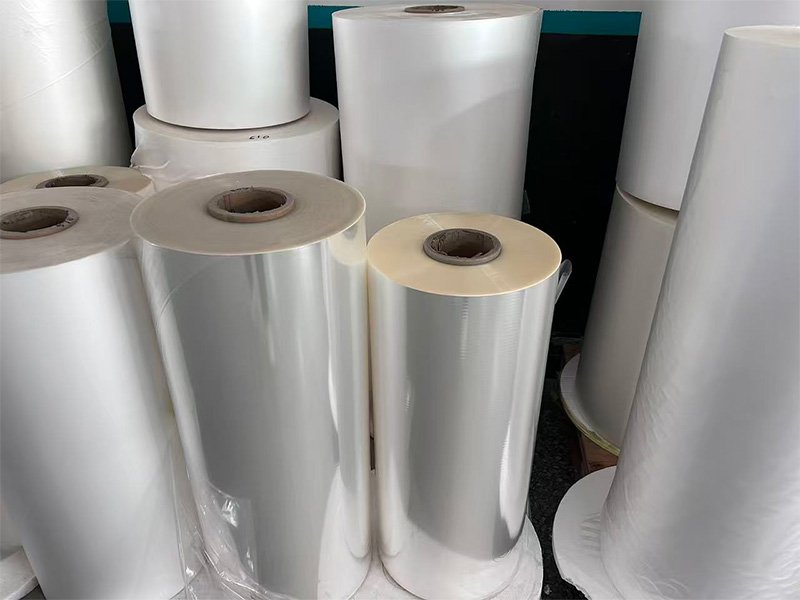
Simply put, lamination means pressing a thin, clear plastic film onto the printed surface with heat or adhesive. It protects against scratches, smudges, and moisture. But more importantly, it completely changes the book’s personality.
When it comes to gloss vs matte lamination, these two choices stand out as the most popular. They might look similar at first, but the results feel worlds apart.
Gloss Lamination: Bold Shine That Grabs Attention
Gloss lamination delivers a highly reflective, shiny surface.
It makes colors pop. Patterns and text look more vibrant, blacks go deeper, and reds turn brighter.
On the plus side, you get excellent color accuracy and strong contrast. The finish feels flashy and full of energy. That’s why it works great for photo books, children’s picture books, or promotional flyers.
However, the strong glare can cause problems. Under bright lights, it sometimes reflects and distracts readers. Plus, it shows fingerprints and dust easily, so you’ll need to wipe it more often.
If you want your book to stand out on a shelf like a glossy magazine—or highlight super colorful images—gloss lamination gives you that instant wow factor.
Matte Lamination: Elegant Touch with a Premium Vibe
Matte lamination, on the other hand, creates a soft, frosted surface with very little reflection.
It tones down the shine for a calmer, more refined look. Colors soften slightly, but you end up with a warm, oil-painting feel that’s easy on the eyes.
The benefits add up fast. It feels silky and natural—no cheap plastic vibe at all. No glare means comfortable reading from any angle. It also hides fingerprints and scratches better. Overall, it gives off a high-end, artistic, and sophisticated mood.
That said, it can reduce vibrancy a bit, and dark areas sometimes look slightly faded. It usually costs a little more, too.
For novels, art books, corporate reports, or classic reprints, matte lamination builds that quiet, thoughtful atmosphere readers love.
Side-by-Side: How Gloss vs Matte Lamination Compares
To make gloss vs matte lamination easier to choose, here’s a simple breakdown across the four areas that matter most:
- Visual Style: Gloss feels bright, lively, and flashy. Matte stays calm, classy, and understated.
- Tactile Experience: Gloss feels smooth but slightly plasticky and cool. Matte gives a silky, warm touch—like soft skin.
- Reading Comfort: Gloss can cause glare in certain lights and limit viewing angles. Matte stays clear and comfortable everywhere.
- Durability: Gloss highlights fingerprints and minor scratches. Matte resists dirt, wear, and smudges much better.
Creative Combos: Take Lamination to the Next Level
Lots of designers don’t stop at full coverage. They mix techniques for extra impact.
For example, start with matte lamination across the whole cover for that luxurious base. Then add spot gloss or UV on the title and key images. The shiny spots pop like gems against the soft background.
Or try gloss lamination paired with large foil stamping. It creates ultimate luxury for gift books or limited editions.
In addition, these combos give you strong visual contrast without extra cost.
Avoid These Pitfalls: Smart Tips for Designers
Here are a few quick things to watch when working with gloss vs matte lamination:
- Dark Colors and Matte: Large dark areas (black or navy) can develop white spots or bubbles after drying unless you add extra treatment. Always prep the surface properly.
- Tiny Details: Skip combining super-fine lines or small text with foil or UV. Registration problems show up easily.
- Spine Issues: Lamination can block glue. For perfect-bound books, use special adhesive or the cover might peel later.
Final Thoughts: Picking What Fits Your Book Best
Gloss lamination feels like a sunny summer day—bold and full of energy. Matte lamination is more like a cozy winter evening—subtle and deep.
There’s no single “best” choice. It all depends on your book’s theme and target readers. A fun children’s story needs gloss to bring the colors alive. But a thoughtful poetry collection calls for matte to add weight and warmth.
Next time you pick up a book, run your fingers over the cover. That thin film isn’t just protection. It’s the soft connection between the author’s words and your fingertips.