


It’s not just about finding the cheapest price anymore — it’s about finding someone you can actually trust when things get real.
I’ve been thinking about this article for a while. There are already tons of “Top 5 Tips” or “7 Must-Know Factors” pieces out there, but most of them feel forgettable. So I’m not going to give you another checklist. Instead, let’s just have a real talk about what actually matters when you’re picking a custom book printing manufacturer in China these days.
I’ve been running Rongxing Printing for years and have handled somewhere between 800 and a thousand overseas orders — clients from the US, Canada, Australia, UK, Japan, you name it. Everyone’s concerns boil down to the same thing: not getting burned. Here’s what I’ve learned the hard way, and it might save you more headaches than reading ten generic guides.
Things Have Changed in 2026
A few years ago, the decision was simple: whoever quoted the lowest price usually won. Information was uneven, and price ruled everything.
But that’s shifting now. The clients I talk to — indie brand owners, bookstore buyers, illustrators printing their own art books — aren’t just asking “How much per copy?” anymore. They’re asking smarter questions: “What happens if something goes wrong?” “Can you actually hit the deadline?” “How long does sampling take?” and “Do you have English speakers on the team?”
It’s a good change. People are starting to calculate the bigger costs — time, stress, and trust — and those can easily outweigh saving a few cents per book.
I had a Canadian client who used to go with a cheaper supplier. Everything was fine for two years until one batch came back with completely crooked gold foil on the covers. The whole order was ruined. The factory offered to redo it… in six more weeks. Problem was, his book launch date was already locked in. No way he could wait.
We stepped in, pulled some strings, and rushed the replacement (a few all-nighters on our end). Since then, he hasn’t switched suppliers again. Not because we suddenly became the cheapest, but because he knows that when something goes sideways, someone will actually have his back. That kind of reliability matters way more than you think when deadlines are tight.
What I Actually Look For When Recommending a Manufacturer
Instead of fancy lists, here are the real things I tell people to pay attention to:
First — Do they take the time to get the details right? This sounds basic, but it’s surprisingly rare, especially across time zones and language barriers.
At Rongxing, we have a rule: for any new client, we always send physical paper samples first. You want creamy white or warm ivory? Smooth or textured? You can’t tell from emails or WeChat messages. You need to touch it, write on it with your actual pens — ballpoint, fountain, markers — and see how the ink behaves.
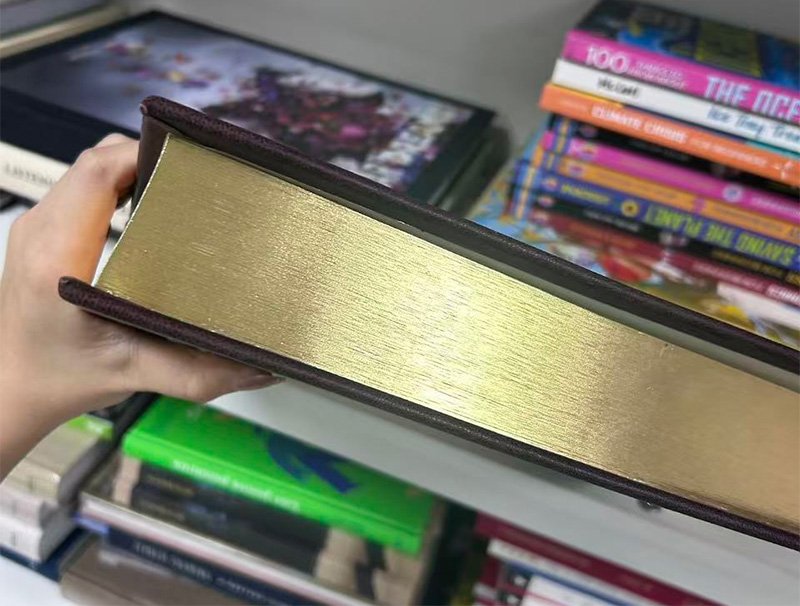
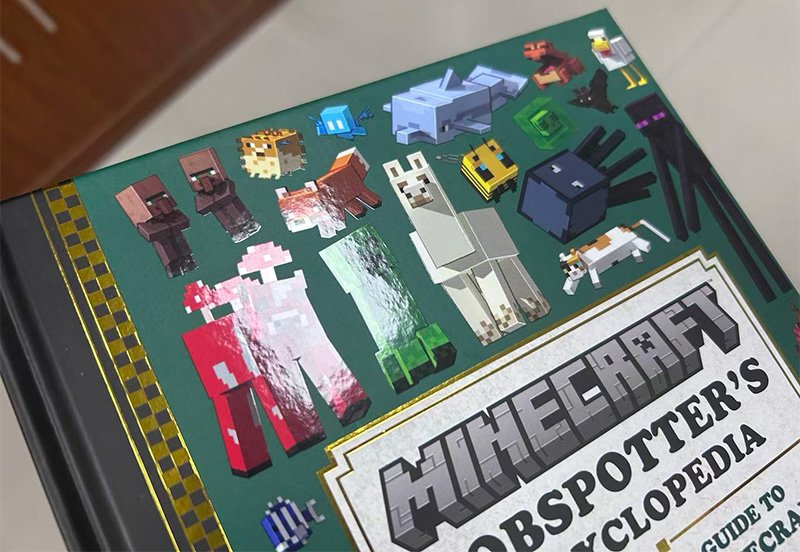
Same with finishes like foil stamping, embossing, spot UV, or raised effects. Pictures don’t cut it. We make small test pieces and mail them so you can flip through them yourself. Only when you say “this feels right” do we move forward.
Why go through all this trouble? Because we’ve been burned before. A few years ago, an American client wanted gold foil. We thought it was straightforward, but the batch came out with poor adhesion — the foil rubbed off too easily. Turned out it was a paper surface issue. Lesson learned: you can’t just talk about it on paper. You have to test it in real life.
Second — Are they willing to take on the “annoying” orders? You know the ones: small quantities, lots of custom requests, mixed specifications.
A lot of big factories don’t want to touch 200 or 300 books. Small workshops might say yes but struggle to deliver. At Rongxing, we’ve deliberately kept our minimum order quantities low — many items start at 500, and some as low as 300. We also allow mix-and-match: different cover materials or paper weights in the same order, as long as the total hits the minimum.
It’s more work for us on scheduling, but we do it anyway. Here’s what I’ve noticed over the years: those small clients often become the most loyal ones. Help someone with 200 books today, and next year they might come back for 2,000. That’s not motivational talk — it’s just what actually happens.
Third — Do they have your back when things go wrong? Printing isn’t perfect. Even the best factories occasionally have batch color differences, minor binding issues, or shipping damage.
The real difference shows in how they handle it. Some suppliers will say “it’s minor, it won’t affect use.” Others blame your design files. At Rongxing, if it’s our fault, we fix it — reprint, compensate, or reship. No excuses.
Last year, an Australian client’s shipment got crushed in transit and some corners were damaged. The client didn’t even complain much, but we felt bad and sent a fresh batch at our own cost. He later messaged, “Are you guys crazy?” I told him we just believe that if someone paid for it, they should receive it in perfect condition.
He ended up writing about it on his blog, calling us “the worst accountants” he’d ever worked with. I took it as a compliment.
Fourth — Can they actually communicate clearly in English? This is still a top concern for many overseas buyers, and for good reason.
Things have improved a lot. At Rongxing we have a dedicated international team that handles English communication smoothly via email, WhatsApp, or WeChat. We’re used to different time zones and reply quickly.
More importantly, we understand Western expectations — paper standards, binding styles, size conventions — that differ from the domestic Chinese market. You don’t have to spend hours explaining basics if the factory has real overseas experience.
What Makes Rongxing Different
We’re not a giant factory with dozens of production lines. We’re a mid-sized operation with our own stubborn principles.
We assign every client a dedicated project manager who follows the order from sampling all the way to shipping. You always know exactly who to contact.
We keep things flexible for smaller test runs so you can try the market without committing to huge quantities upfront.
And we’ve accumulated real experience with international shipping, packaging requirements, and import rules for different countries. These are the kinds of details you only learn after handling hundreds of orders.
One American stationery blogger sends me ridiculously detailed checklists before every order — even tiny things like “page number on page 37 is 1mm off from page 36.” Most factories would get annoyed. Our team just goes through every point, takes photos and videos for confirmation.
She told me later: “I don’t choose you because you’re the cheapest. I choose you because you make me feel safe.”
That stuck with me. At the end of the day, this business is all about trust.
My Straightforward Advice for 2026
If you’re shopping for a custom book printing manufacturer in China right now:
- Don’t chase the absolute lowest price. That extra few cents can sometimes cost you weeks of stress later.
- Ask a few promising suppliers to send paper and process samples. Hold them in your hands, write on them, flip through them. You’ll feel the difference immediately.
- Spend extra time in the sampling stage. It always pays off by preventing bigger problems during mass production.
- Build some buffer into your timeline. Paper needs sourcing, processes need testing, and international shipping takes time.
Final Thought
In 2026, choosing a custom book printing manufacturer in China isn’t about finding who’s cheapest anymore. It’s about finding who you can trust when something inevitably doesn’t go perfectly.
We at Rongxing Printing aren’t the biggest player in the industry, but we’ve built our reputation on doing things the right way. We know good paper, solid craftsmanship, and what actually makes overseas clients sleep better at night.
If you’re looking for a reliable partner for custom notebooks, hardcover books, or any printed products, feel free to reach out. No pressure to order right away — let us send you some paper samples and test pieces first. Touch them, write on them, see for yourself.
If it feels right, great — we can work together. If not, no hard feelings. This industry is smaller than you think, and good relationships tend to come in handy down the road.
Got questions about custom book printing? Drop me a message. I’ve made my share of mistakes over the years and I’m always happy to help others avoid them.